
 Movie
Movie 2 hours ago
12
2 hours ago
12 Rachel Clun,business reporterand Kevin Peachey,cost of living correspondent
Household energy bills will rise to help fund a £28bn investment in the UK's energy network.
Energy regulator Ofgem has approved the funding in its five-year plan on improving electricity and gas grids. Most of the money will go towards maintaining gas networks, but £10.3bn will be used to strengthen the electricity transmission network.
Households will see an additional £108 added to energy bills by 2031 under the plan.
But Ofgem said that what people would end up paying for energy will only rise by £30 a year, as the investment will help lower the reliance on imported gas and make wholesale energy cheaper.
Ofgem chief executive Jonathan Brearley said the investment "will keep Britain's energy network among the safest, most secure and resilient in the world".
Speaking to BBC's Breakfast programme, Mr Brearley said the UK needed to move away from its dependence on gas.
"Gas has a really big part to play in our energy system for some time but we need to diversify our risk," he said.
Diversifying risk means "we'll be much better at electricity prices in the future and that will protect people's bills".
Of the £108 added to energy bills, £48 will be for gas and £60 for electricity.
But Ofgem said the investment will deliver about £80-worth of savings, including £50 in savings alone from the energy grid expansion.
The regulator also said the investment will also remove inefficiencies in the system such as offshore wind farms being paid billions a year to switch off as the grid cannot take their power.
Speaking ahead of Ofgem's announcement, Keith Anderson, the chief executive of Scottish Power told the BBC's Today programme the removal of those constraints in the system was important.
"This will be the biggest wave of investment in our electricity infrastructure since it was built by our grandfathers back in the 1950s and it will give us a system that is fit for purpose for the country for the 21st century," he said.
The five-year plan covers maintenance and expansion of the network and the move away from a reliance on volatile international gas prices.
Ofgem has described this as a defining moment for Britain's energy system - striking a balance between investing for the future and how much that costs billpayers.
Companies that run energy networks - including power lines and cables - are separate from suppliers. They have monopolies in different parts of the country.
This plan sets the framework for how they deliver a safe and secure supply, and the cost controls they face for five years, from next year.
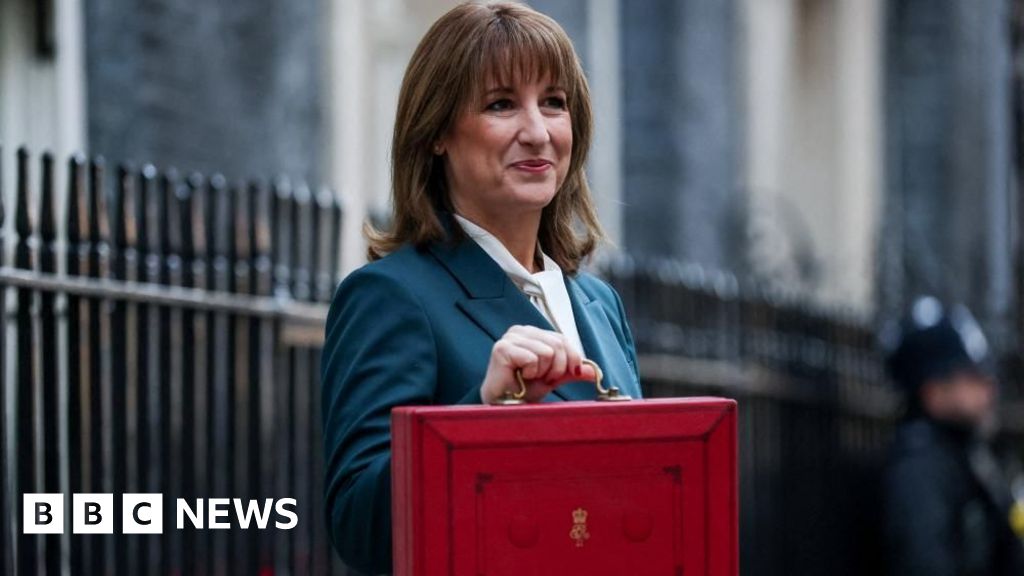
Ofgem's announcement comes after a government pledge in the Budget to remove certain costs, the equivalent to about £150 from a typical annual energy bill.





![Presidents Day Weekend Car Sales [2021 Edition]](https://www.findthebestcarprice.com/wp-content/uploads/Presidents-Day-Weekend-car-sales.jpg "Presidents Day Weekend Car Sales [2021 Edition]")




 English (United States)