
 Movie
Movie 1 hour ago
6
1 hour ago
6 Osmond ChiaBusiness reporter
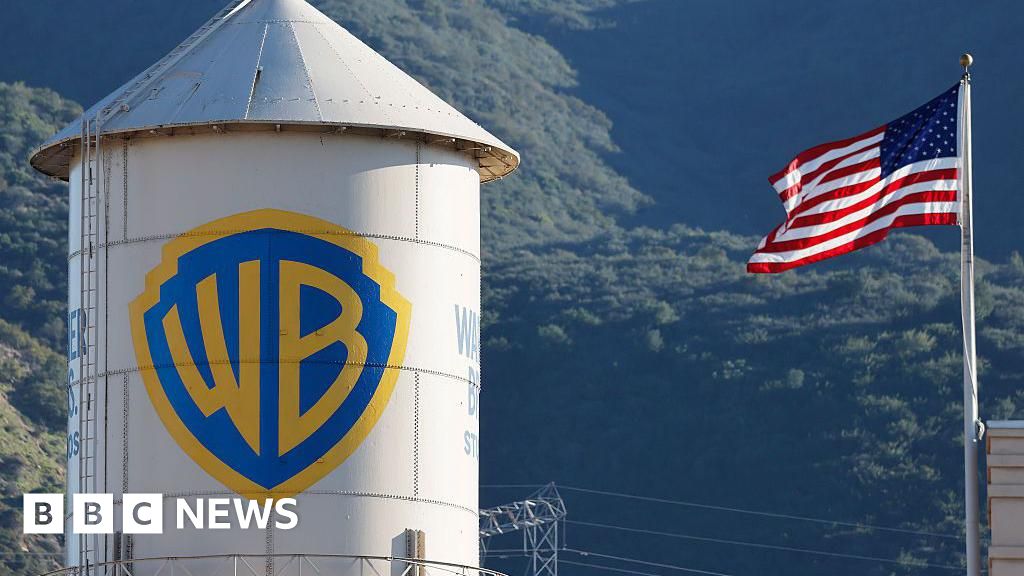
Warner Bros Discovery has rejected Paramount Skydance's $108.4bn (£80.75bn) takeover bid.
Paramount had said its offer was "superior" to a $72bn deal that Warner Bros struck with Netflix for its film and streaming businesses.
But Warner Bros's board "unanimously" recommended a rejection of the offer and agreed the deal with Netflix was in the firm's best interests, a statement to shareholders said.
Warner Bros declined to comment and the BBC has also asked Paramount and Affinity Partners, which reportedly pulled out of the bid, for a response.
Affinity was founded by US businessman and President Donald Trump's son-in-law Jared Kushner.
A key backer of Paramount's attempt to buy Warner Bros, it had reportedly exited talks, citing the involvement of "two strong competitors".
Warner Bros had advised its shareholders to reject Paramount's offer for a number of reasons including concerns over how the deal would be financed, according to the Financial Times.
The media giant put itself up for sale in October after receiving "multiple" expressions of interest from potential buyers, including approaches from Paramount Skydance.
On 5 December, Warner Bros Discovery said it had agreed to sell its film and streaming businesses to Netflix.
The following week, Paramount Skydance launched a new offer for the whole company, including its television networks.
Paramount is backed by the billionaire Ellison family, which has close ties to the president.
A takeover of Warner Bros is expected to face scrutiny from competition regulators in the US and Europe.
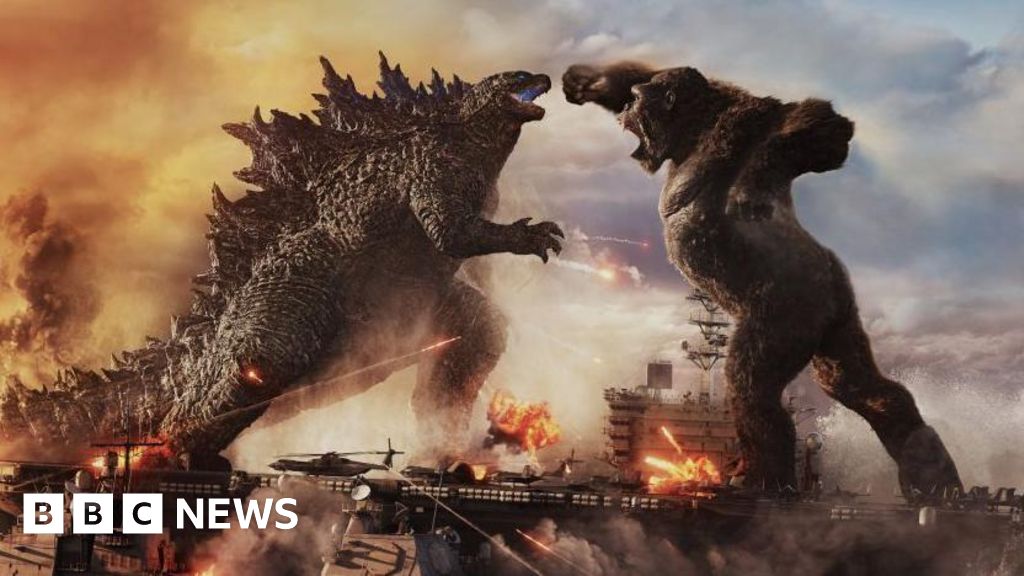
A new owner of Warner Bros would gain a significant edge in the highly competitive streaming market. It would get a huge library of films and TV shows, including Harry Potter, the MonsterVerse, Friends and the HBO Max streaming service.
Some in the film industry have criticised the plan to merge all or part of Warner Bros with a rival. The Writers Guild of America's East and West branches called for the merger to be blocked, arguing that it would result in lower wages and job cuts.
The volume of content for viewers would also be reduced, it said.


![Presidents Day Weekend Car Sales [2021 Edition]](https://www.findthebestcarprice.com/wp-content/uploads/Presidents-Day-Weekend-car-sales.jpg "Presidents Day Weekend Car Sales [2021 Edition]")




 English (United States)